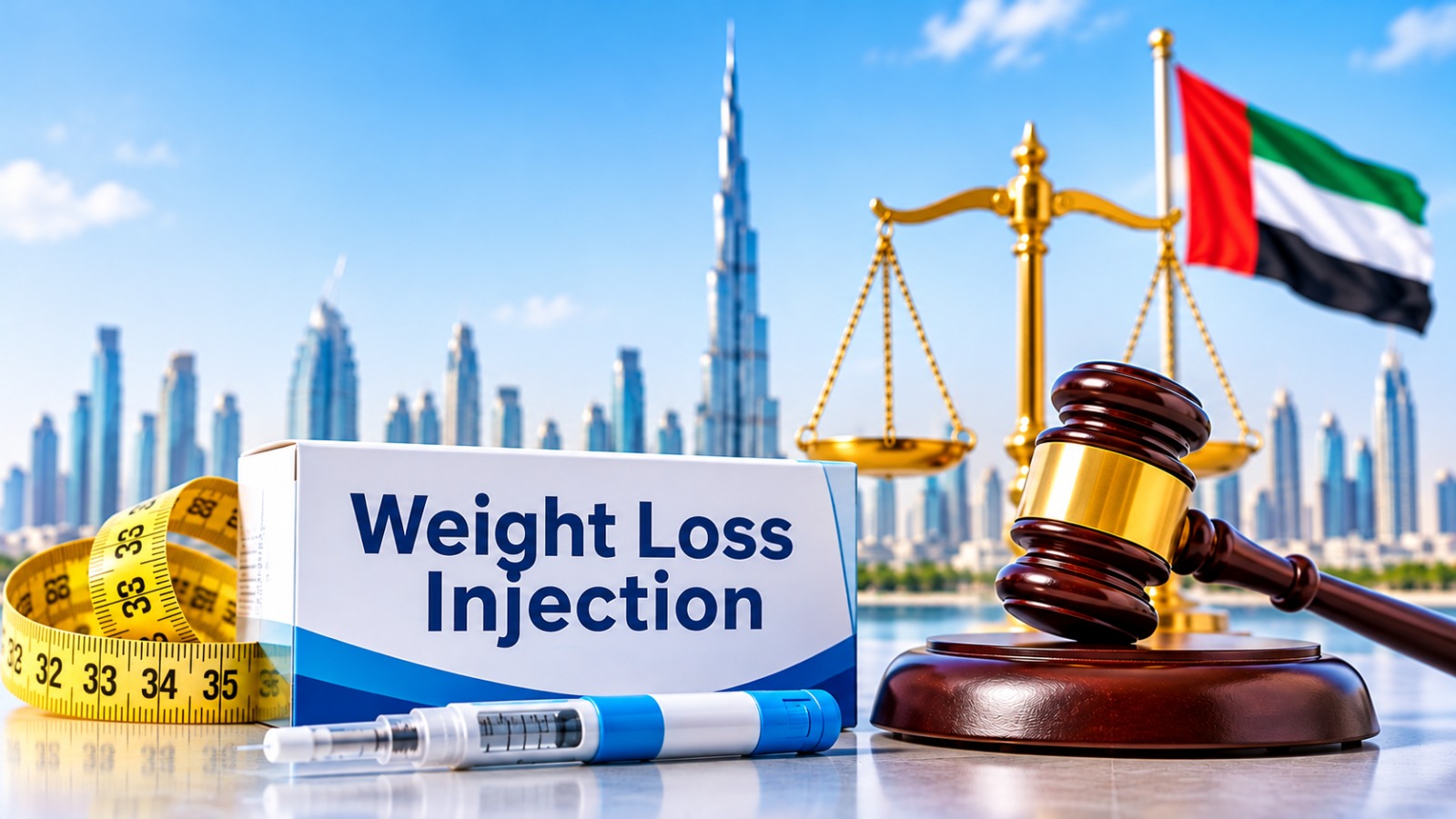
The latest news from the FDA and what it means for you, doctors, pharmacies and pharmaceutical businesses.
Weight loss injections have become increasingly popular within the last few years. Many patients who suffer from diabetes and obesity are now speaking about medications such as Ozempic, Wegovy and Mounjaro.
However, the United States Food and Drug Administration (FDA) on 9th November 2026, announced that manufacturers of GLP-1 medications will be required to update their product safety information to include a statement regarding a possible increased risk of developing a rare eye condition called Non-Arteritic Anterior Ischaemic Optic Neuropathy (NAION).
NAION affects the blood supply to your optic nerve causing sudden vision loss that is not painful, sometimes permanently.
Following a review of all clinical trials, 126 in total, the FDA found cases of NAION were increased amongst patients taking GLP-1 medications compared to the control group. There were 6.4 cases per 100,000 person-years. Whilst still very rare, this information was substantial enough to require the manufacturers to update their safety warnings.
This does not mean you should stop taking your medication however it does mean that manufacturers are required to ensure it is clear that there is a potential risk so you know.
Whilst this information will impact the US, it is worth considering how this affects you in the UAE. Who is responsible for informing you of the risks of the medication? What happens if you suffer from complications? Could your healthcare provider be held legally liable? What protections exist under UAE law?
At ASK Legal Consultancy, we believe these are important questions to consider for both patients and healthcare businesses.
What Does The New FDA Warning Mean?
Firstly, it is important to understand what the FDA are informing US of.
The FDA has found there could be an association between GLP-1 medications and NAION (optic nerve). Therefore, manufacturers will need to update the warnings and precautions section of their product information.
As a patient, you should be aware of any symptoms you may experience. If you experience sudden changes in your vision, blurring or loss, you should seek medical advice immediately.
As a Doctor/healthcare provider, you should ensure you are aware of this information and highlight any material risks to patients.
Whilst the FDA’s decision does not mean UAE product information will be updated or changes to prescription requirements, it is important to consider any local regulatory action. This will need to be assessed by the relevant UAE authorities.
However, it does highlight that it is even more important to ensure patients are kept up-to-date with any changes to the medical risks.
What Does UAE Law Say About Medical Negligence?
This is an important area to consider from a legal perspective.
In the UAE, medical liability is governed by Federal Law No. (4) of 2016 Concerning Medical Liability (as amended by Federal Decree-Law No. (18) of 2023).
Essentially, this law outlines what responsibilities healthcare professionals have and when they could be held liable due to mistakes.
For example, if a patient is prescribed a weight loss injection and the doctor does not properly review a patient’s medical history, leading to the patient suffering complications, would the doctor be held liable?
Potentially. It would depend on whether the doctor had adhered to the required professional standards. Was the patient properly assessed for their condition? Were there any failures in the treatment that caused or contributed to the harm?
Some examples of issues that may cause concern include:
- 1. Prescribing medication without properly assessing the patients medical condition.
- 2. Overlooking any known contraindications or medical risks.
- 3. Not informing the patient of any important side effects or precautions.
- 4. Not acting appropriately when a patient reports any unusual symptoms.
- 5. Not referring to a medical professional in a timely manner.
- 6. Failure to keep proper medical records.
However, having a medical complication does not necessarily equate to medical negligence.
Some side effects can occur, even when the treatment is properly provided. Medical liability will need to be assessed using the evidence available, professional standards and whether there is a link between the alleged mistake and the harm.
Many medical disputes require a careful review of medical records.
Do Patients Have A Right To Know The Risks?
Yes. Patients should be provided with enough information to understand what treatment they are receiving and make an informed choice.
This is an important factor when considering any medication that could have significant side effects or require ongoing medical support.
Patients should be provided with informed consent, this should include:
- 1. Why the medication is being prescribed.
- 2. Benefits of the treatment.
- 3. Known side effects and complications.
- 4. Important precautions and contraindications.
- 5. Other options.
Signed consent should not be used as a substitute for discussing the treatment with your doctor.
For example, if a patient is prescribed a weight loss medication, they should not solely rely on online articles or social media to understand the risks associated with their medication.
If new safety information becomes relevant, healthcare providers should consider whether patients require additional information or a reassessment.
From a legal perspective, the information provided, consent and medical records could be relevant.
What Are The Obligations Of Pharmaceutical Companies And Pharmacies?
Medical liability does not just lie with the doctor.
Pharmaceutical companies, importers, distributors and pharmacies also have obligations under UAE law.
A key piece of legislation in this area is Federal Decree-Law No. (38) of 2024 Governing Medical Products, Pharmacists and Pharmaceutical Establishments, which came into force 2nd January 2025.
This law governs medical products throughout their lifecycle. This includes registering, importing, distributing, storing, supplying, marketing and monitoring.
Practically, this means:
Pharmaceutical companies must ensure they are complying with any requirements associated with registering their product and monitoring. If new information regarding the risks of the medication becomes available, they may need to update their product information and act in line with any requirements or directions from the competent authority.
Pharmacies/suppliers must ensure medications are sourced, stored and supplied appropriately. Failure to do so could pose a risk to you.
Healthcare facilities must ensure medications are prescribed and administered appropriately.
The recent FDA warning is a great example of why this is important. Whilst the medicine may currently be available on the market, the safety information may need to be reviewed.
Can Clinics And Influencers Advertise Weight Loss Injections In The UAE?
This is an important area to consider. Weight loss treatments are often heavily advertised online.
Social media, influencer endorsements and before and after images can make prescription medications seem like everyday products
.
However, there are restrictions around the promotion of prescription medications in the UAE.
Under Federal Decree-Law No. (38) of 2024, medical product advertising is regulated by the Emirates Drug Establishment (EDE).
The EDE has requirements around licensing medical product advertising. This includes:
- 1. Product must have the correct marketing authorisation.
- 2. Applicant must be a properly licensed pharmacy/healthcare establishment.
- 3. Claims must be factual, evidenced and in line with the approved product information.
- 4. Risks and side effects must be clearly stated.
Further requirements will apply depending on who the advertising is aimed at.
The EDE advertising licensing service is for promotional material published online, via social media, print, audio and video.
This means that clinics/businesses cannot simply advertise prescription medications as they would any other product.
For example, if a clinic advertises a medication as a guaranteed weight loss solution, overstates the effectiveness or fails to mention any relevant safety information, this could pose a risk.
Whilst general health information may be shared, this should not be seen as product promotion. However, if there is any promotion, you should consider the approval requirements.
What If Patients Purchase Weight Loss Medicines Online?
Due to the increased demand for these treatments, there has been an increase in online suppliers.
Purchasing prescription medications from unknown sources can pose many risks to patients. These include counterfeit medications, incorrect storage and medications that have not gone through an authorised supply chain.
Under UAE pharmaceutical law, importing, distributing, storing and selling medical products must be done in line with the relevant licensing requirements.
Businesses involved in unauthorised supply/distribution could face regulatory action.
As a patient, you should not assume medications purchased online or via social media are genuine, properly stored or suitable for your medical condition.
Prescription medications should be sourced from authorised sources and used under the correct medical supervision.
What Can Patients Do If They Suffer From A Medical Complication?
If you have suffered any harm from using a prescribed medication, there are some practical steps you can take.
Seek medical assistance. Before considering any legal action, you should address any health issues. If you suffer from sudden vision loss or other serious symptoms, you should seek medical attention.
Keep medical records. Keep a record of your prescriptions, consultations, test results, treatment and any communication with your healthcare provider.
Ask questions. Ask any questions you have regarding the medication you have been prescribed, known risks, why you have received the treatment and what further medical action is recommended.
Consider seeking legal review. If you have any concerns regarding incorrect prescribing, poor medical care or failure to meet professional standards, seeking legal advice could help you determine whether there are grounds to make a complaint/claim.
Medical liability matters in the UAE are assessed using the relevant legal and regulatory requirements. This includes medical liability requirements and expert assessment.
Having a side effect does not mean there is a legal claim. Careful consideration of the facts and medical evidence is required.
How We Handle Medical Related Matters
At ASK Legal Consultancy, we have found that it is important to look beyond the medical aspect of the matter and understand the legal obligations.
Medical disputes are rarely simple. Patients may have concerns regarding the treatment they have received, information provided, decisions made by the healthcare professional or obligations of the healthcare facility.
Each matter will need to be carefully reviewed using the facts and medical evidence.
We aim to understand the situation, identify any relevant legal issues and assess what remedies are available. Whether you have concerns around professional obligations, alleged negligence or medical treatment, it is important to understand what the legal position is using the evidence.
Seeking early legal advice can help patients and healthcare businesses understand what their rights and obligations are.
Medical Treatment Has Legal Obligations
The FDA announcement on 9th November 2026 is a reminder that medical product safety information can change based on new evidence.
Within the UAE, this provides an opportunity to consider the obligations of healthcare professionals, pharmaceutical companies, pharmacies and other businesses within the medical industry.
There are protections within UAE law to protect against medical liability, pharmaceuticals, product safety and advertising. However, it is important to understand the obligations.
As a patient, it is important to understand what treatment you are receiving. If you have any concerns, ask for clarification. As a healthcare provider, you should ensure patients are properly assessed, given informed consent and receive professional care. As a pharmaceutical business, you should ensure you are compliant.
Overall, a prescription is only part of the process. Patient safety, professional obligations and compliance with UAE law should be at the forefront.
This article is for general information only. It is not legal or medical advice. Every medical liability matter should be assessed based on the individual facts, medical evidence and relevant UAE legislation.